
Your cart
Sub-Total: $0.00


$46.99
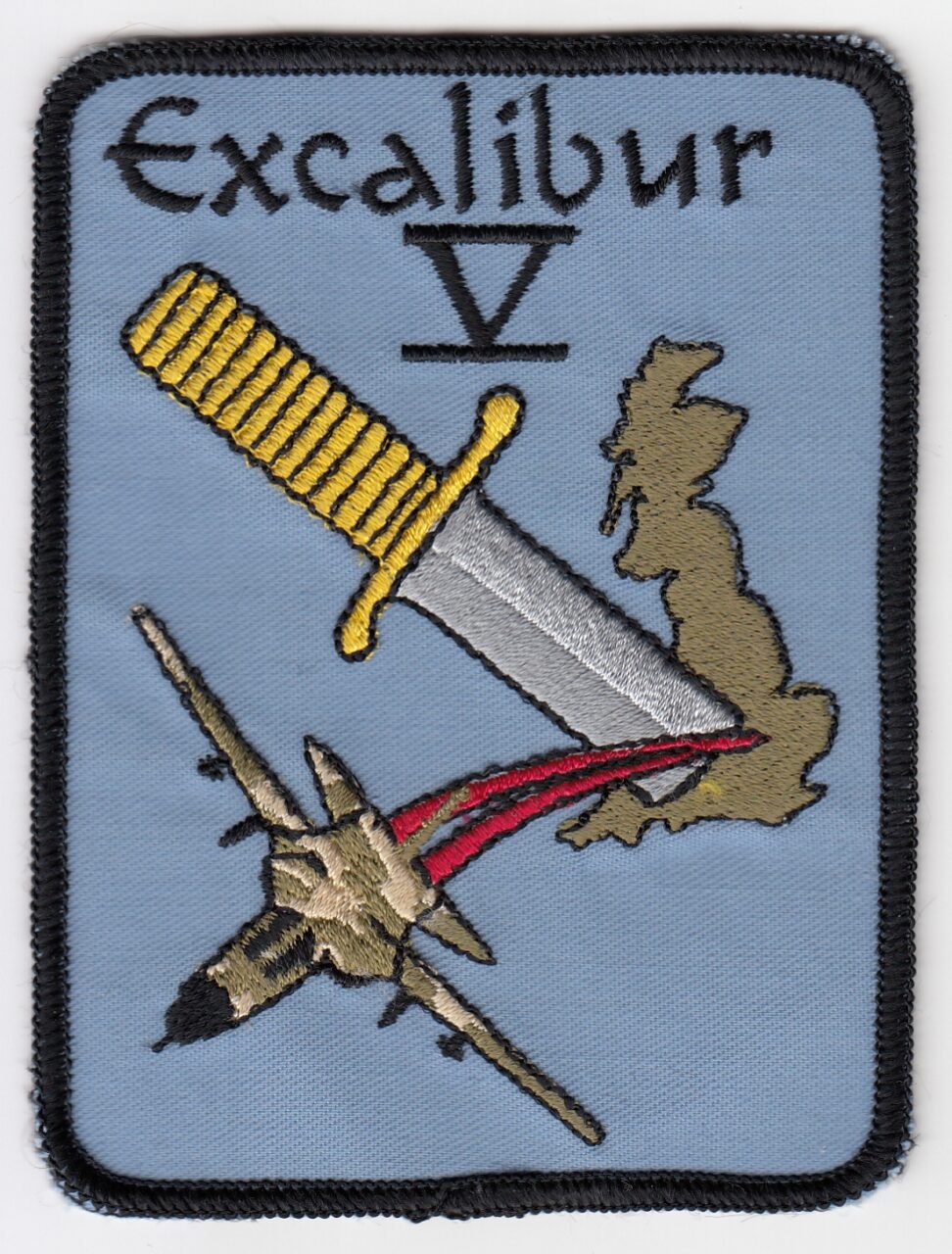
48th TFW 1989 Bomb Competition Excalibur V Patch RAF Lakenheath USAF F-111F Tactical Fighter Wing Variant A
Validation – Tangible authentic and original
Manufacturer – British made by P&M with own looms
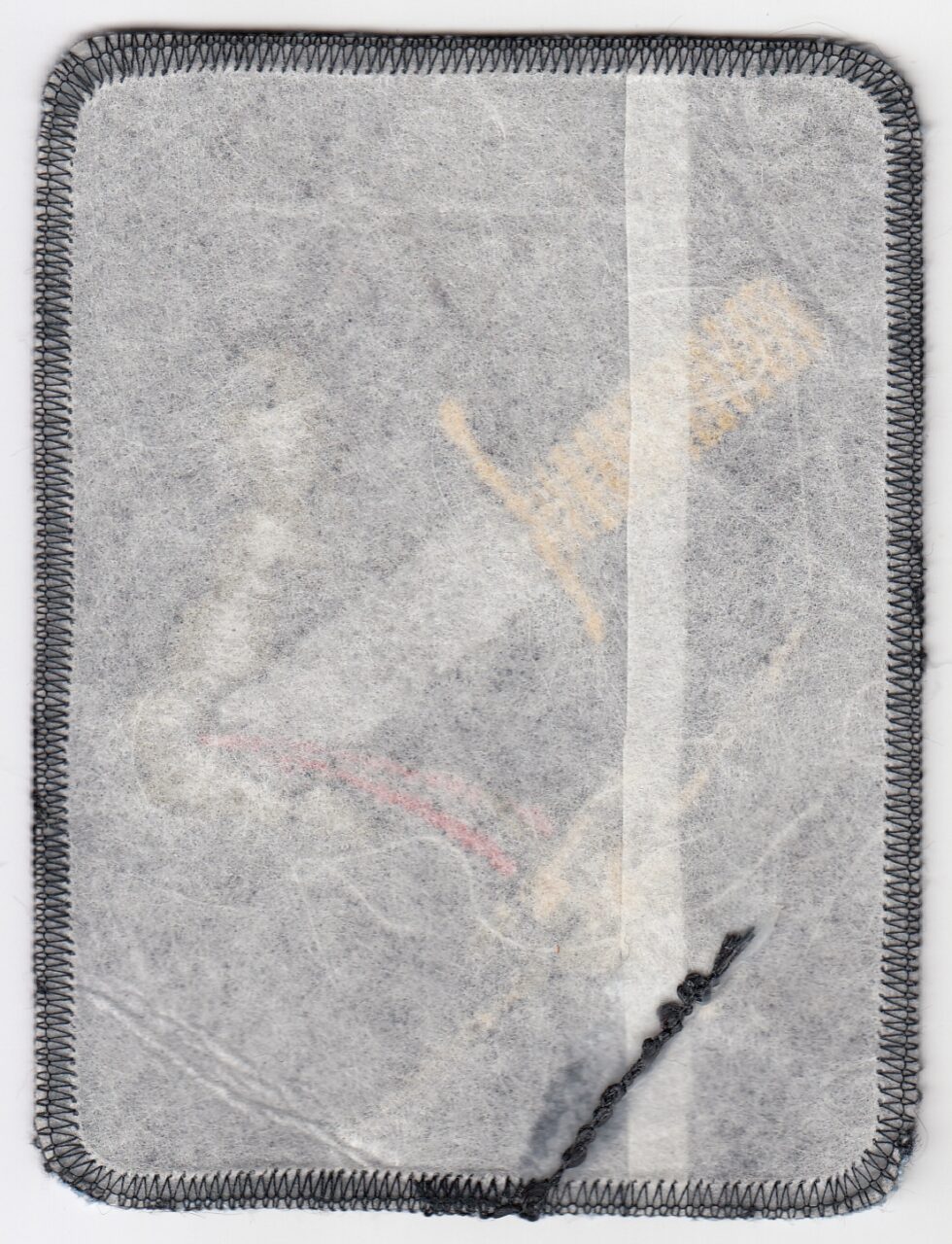
Manufacture – embroidered on twill with pressed white fabric stiffener backing, white synthetic return thread, a merrowed overlocked edge and no plastic coating to the back
Visibility – color
Condition – very good has not been sewn to uniform
Size – 115 x 87mm
Approximate imperial size – four and nine sixteenth inches by three and seven sixteenth inches
Free Shipping
48th TFW Excalibur V 1989 Bomb Competition Patch RAF Lakenheath USAF F-111F Tactical Fighter Wing Variant A
Validation – Tangible authentic and original
Manufacturer – British made by P&M with own looms
Manufacture – embroidered on twill with pressed white fabric stiffener backing, white synthetic return thread, a merrowed overlocked edge and no plastic coating to the back
Visibility – color
Condition – very good has not been sewn to uniform
Size – 115 x 87mm
Approximate imperial size – four and nine sixteenth inches by three and seven sixteenth inches
Free Shipping
48th TFW Excalibur V 1989 Bomb Competition Patch RAF Lakenheath USAF F-111F Tactical Fighter Wing Variant A USAFE
This original 48th TFW Excalibur V 1989 Bomb Competition patch is from the famous F-111F Aardvark era of the Liberty Wing. Operating from RAF Lakenheath during the height of the Cold War the Wing flew advanced F-111F Aardvark fighter bomber from 1977. 48th Tactical Fighter Wing became one of the most combat-capable tactical strike wings in USAF in Europe and NATO.
In 1977 the 48th TFW exchanged its F-4D Phantom II aircraft for the F-111F Aardvark transferred from the 347th TFW at Mountain Home Air Force Base. The successful transition earned the Wing its third Air Force Outstanding Unit Award. The Wing’s flying Squadrons remained the 492nd, 493rd and 494th Tactical Fighter Squadrons. Equipped with the long-range strike capability of the F-111F, the Wing immediately expanded operational deployments and exercises throughout Europe and the Middle East, including Italy, Iran, Greece and Pakistan.
The Wing’s operational strength increased further when the 495th Tactical Fighter Squadron was activated on 1 April 1977. Acting as a replacement training unit, the 495th TFS helped maintain combat readiness across the Liberty Wing. By 1979 the 48th TFW had flown the highest number of flying hours ever recorded by an F-111 unit in a fiscal year. The Wing passed its USAFE Operational Readiness Inspection and NATO Tactical Evaluation in 1980 and received its fourth Air Force Outstanding Unit Award.
During the 1980s the F-111F became internationally recognised through its precision strike capability and frontline NATO role. The 48th TFW deployed temporarily to RAF Sculthorpe in 1983 while RAF Lakenheath’s runway was resurfaced.
In 1986 the Wing participated in the long-range strike mission against Libyan targets in Tripoli during Operation El Dorado Canyon. The attack was undertaken alongside the United States Navy Sixth Fleet. Although one aircraft and crew were lost, the Wing received the US Navy Meritorious Unit Commendation for the operation.
The Wing again entered combat during Operation Desert Shield and Operation Desert Storm following Iraq’s invasion of Kuwait in 1990. Deploying as 48th TFW (Provisional) to Taif Air Base, Saudi Arabia, the 492nd, 493rd and 494th Tactical Fighter Squadrons flew 2,500 combat sorties. They achieved more than 2,200 target hits using the F-111F Aardvark and and dropped 7.3 million pounds of precision-guided munitions. 48th TFW (P) executed the first combat drop of the GBU-28 “bunker buster” bomb on 27 February 1991 and is credited with destroying hundreds of Iraqi tanks. The Wing returned to RAF Lakenheath in May 1991 and soon began restructuring under the USAF Objective Wing Organization program.
On 1 October 1991 the 48th Tactical Fighter Wing was redesignated the 48th Fighter Wing, while the Tactical Fighter Squadrons became Fighter Squadrons. The 495th FS was inactivated in December 1991 followed by the 493rd FS in December 1992, marking the end of the famous F-111F era at RAF Lakenheath.
This original USAF 48th TFW F-111F Aardvark patch is highly collectible among RAF Lakenheath, USAFE Operation Desert Storm and Cold War aviation memorabilia collectors, preserving the heritage of one of the United States Air Force’s most important combat fighter wings.
Excalibur was a joint USAF and Royal Air Force annual bombing strafing and gunnery competition commenced with Excalibur I in 1985 to provide USAF and Royal Air Force aircrews and ground crews to fly fight together and compete together with the focus on surface attack missions testing equipment procedures and leadership skills to improve lines of communication and tactical abilities between the USAF and the RAF. The competition was hosted by 48th Tactical Fighter Wing TFW at RAF Lakenheath and used the extensive ranges at RAF Holbeach and RAF Wainfleet Lincolnshire for the various ground attack competition categories and tasks.
The USAFE’s 48th TFW competed with its F-111F Aardvark fighter bombers and hosted Squadron teams from 50th and 401st Tactical Fighter Wings operating F-16 Fighting Falcon aircraft. The RAF fielded Jaguar F-4 Phantom II and Tornado fighter bombers. Although each team’s aircraft had different capabilities the competition pitted pilot against pilot judged on how well they dropped BDU 33 practice freefall bombs on specific targets from defined altitudes speeds and angles including 45-degree High Altitude Release Bomb 30-degree Dive Bomb 20-degree Low Altitude Low Drag 10-degree Low Altitude High Drag and Low Angle Strafe. Awards for the top scoring pilot aircrew and aircraft in each individual events together with awards for the top scoring Flight and Wing were presented at the end of the competition.
The Competitions were given ascending roman numerals for each year starting with Excalibur I in 1985 Excalibur II in 1986 Excalibur III in 1987 Excalibur IV in November 1988 Excalibur V in October 1989 Excalibur VI in July 1990 Excalibur VII in 1991 Excalibur VIII in 1992 and Excalibur IX in June 1993. The Excalibur Competition was discontinued after Excalibur IX 1993 following the retirement of the F-111F from USAFE service.
The Competition was reinstated with Excalibur 2004 at RAF Lakenheath with 48th Fighter Wing F-15E Eagle aircraft competing against F-16 Fighting Falcon and A-10A Warthogs from 52nd Fighter Wing from Spangdahlem AB Germany and 31st Fighter Wing from Aviano AB Italy together with RAF Jaguars from No. 6 and No. 41 Squadrons RAF Coltishall and Tornado bombers from No. 9 Squadron RAF Marham in August 2004. Excalibur 2005 took place in August 2005 but after Excalibur 2006 in August 2006 the Competition was again stopped as pilots were gaining ground attack experience with the RAF and NATO via combat missions during joint operations in Iraq and Afghanistan.
This 48th TFW Excalibur V 1989 Bomb Competition Patch RAF Lakenheath USAF F-111F Tactical Fighter Wing Variant A dates from 1989