Your cart
Sub-Total: $0.00
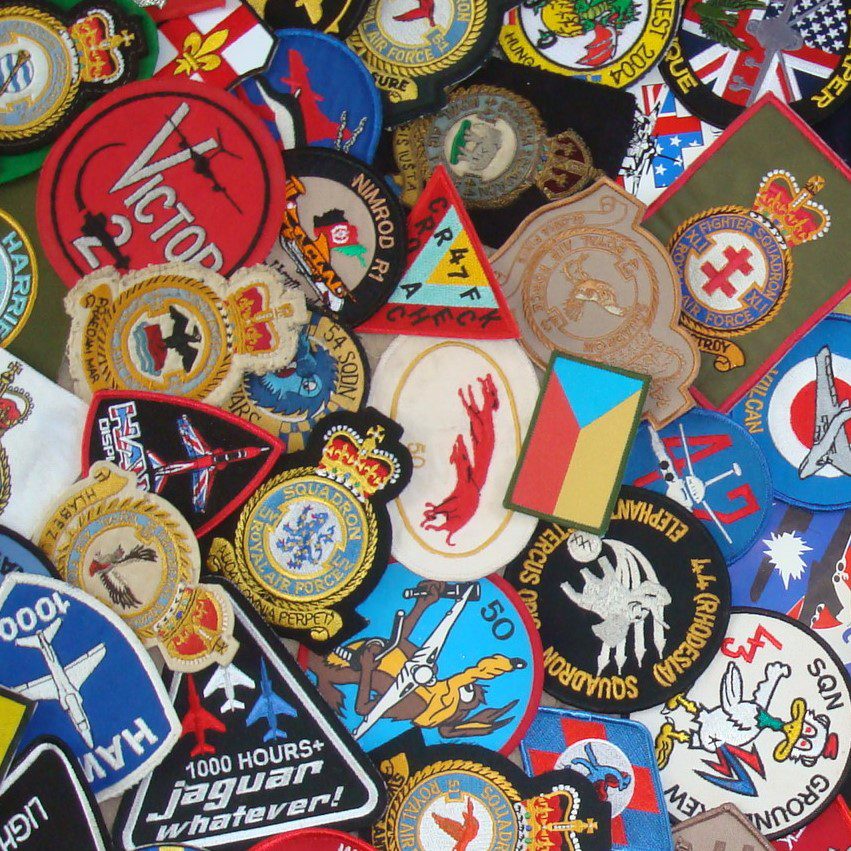
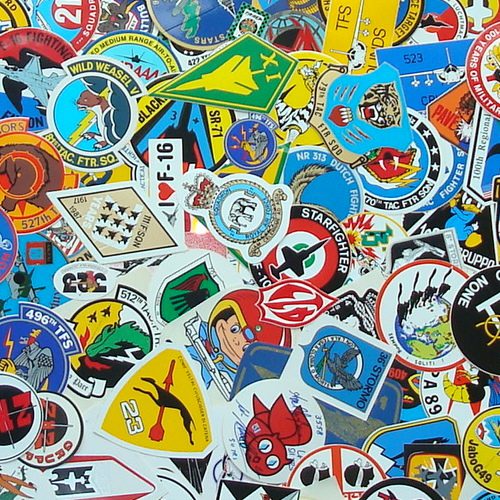
Air Force Collectables presents a carefully curated collection of military insignia from air forces around the world, supported by detailed information on unit history and the significance of each item. Our aim is to show not only authentic collectables, but also the historical context that brings them to life.
With nearly twenty years online, airforcecollectables.com has transitioned from a bespoke hosting system to a modern WordPress platform. This upgrade allows us to better showcase individual items while improving the overall user experience, making it easier to explore our growing collection.
Popular Searches:
RAF British Army Patches SAS Airborne Parachute Commando USAF Patches US Air Force Europe USAFE
USAF CONUS Patches Continental United States (Including US Air National Guard)
RDAF Patches Royal Danish Air Force France Military Forces Patches French Air Force Army and Navy
Germany Post-War II - German Air Force Patches Luftwaffe Netherlands Military Services
RNoAF Patches Royal Norwegian Air Force Luftforsvaret Italian Military Services Spanish Military Services
Our range includes:
Items span a wide range of periods, including:
Each item is selected and presented using an extensive knowledge base to ensure accuracy and authenticity. While every effort is made to provide correct information, we welcome feedback and corrections from fellow collectors and enthusiasts.
Air Force Collectables is more than just a showcase — it is an evolving archive of military aviation history. Through our Knowledge section, visitors can explore conflicts, air bases, specialised units, and the stories behind the insignia, browse our Knowledge Section using the link below:
Browse our pages to discover high-quality, original collectables from air forces worldwide. New items are added regularly, so we recommend bookmarking the site or adding it to your favourites.
You can also follow Air Force Collectables on Facebook to stay up to date with new additions and featured items
National Museum of US Air Force